Who Walks Through the Doors? A Data Portrait of the Summit Delegate
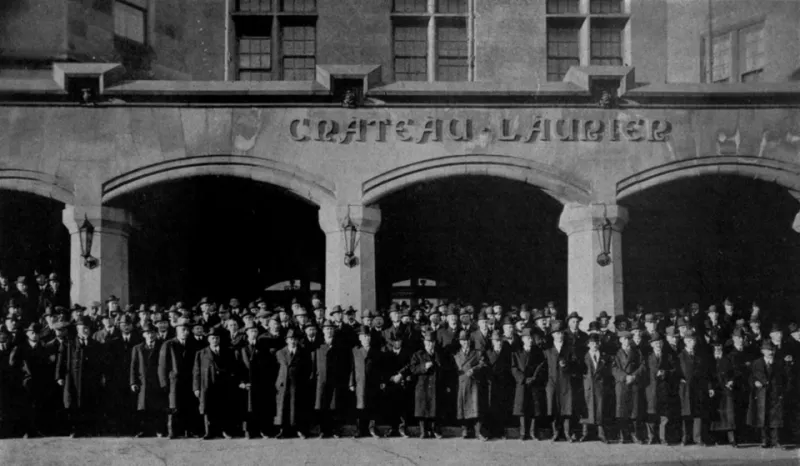
Photo: Construction: A Journal for the Architectural, Engineering and Contracting Interests of Canada, Public domain, via Wikimedia Commons
Every September, several hundred lanyards are handed out at the conference centre doors, and the construction industry congratulates itself on another successful gathering. But who, precisely, are we gathering? Drawing on three years of registration data and dozens of on-the-day interviews, we have built the clearest picture yet of the typical Midlands Construction Summit delegate — and the findings should prompt some uncomfortable reflection.
The Anatomy of an Attendee
The average delegate, according to our registration records, works for a firm turning over between £5 million and £50 million, holds a title containing the word "director" or "head of", and travels from within forty miles of the venue. Roughly two-thirds arrive by car; a small but loyal contingent takes the early coach from the north of the region, with Doncaster and Mansfield pickups consistently among the busiest.
By trade, the split is predictable: main contractors and civils firms dominate, followed by a healthy block of architects, surveyors and consultants. Specialist trades — the groundworkers, the electricians, the scaffolders — account for barely one in ten registrations. Materials suppliers and manufacturers, who between them fill a third of the exhibition floor, make up just 6% of the delegate list.
The Boardroom Bias
Here is the uncomfortable part. Around 78% of attendees describe their role as senior management or above. Fewer than 4% identify as site-based staff of any kind. Given that the overwhelming majority of the Midlands construction workforce — well over 200,000 people — works on sites rather than in boardrooms, our delegate list is not a cross-section of the industry. It is a portrait of its management layer.
This is not unique to our event. Industry conferences across the UK face the same structural reality: tickets cost money, attendance costs a day, and the people with the least flexibility over both are precisely the site supervisors, trainees and operatives the sector says it wants to engage. One delegate we spoke to last year, a contracts manager from Walsall, put it bluntly: "Everyone here agrees there's a skills crisis. Not one of the apprentices I'm trying to recruit is in this room."
Does It Matter?
Some argue it doesn't. Conferences are, the reasoning goes, where decisions get made — and decisions are made by senior people. A site labourer does not sign off a supply chain framework or approve a cladding remediation budget. By this logic, the boardroom bias is a feature, not a flaw.
But this argument has limits. The sector's most pressing problems — recruitment, retention, safety culture, the adoption of new methods — are won or lost at the site level. An industry that debates its workforce crisis almost entirely in the absence of its workforce risks mistaking conversation for progress. There is also a commercial angle: exhibitors report that conversations with hands-on buyers and estimators convert to business far more reliably than chats with those several steps removed from purchasing.
What We're Doing About It
The summit's organisers have not stood still. This year's programme includes a subsidised ticket tier for firms under ten employees, a dedicated early-careers session held after typical site hours, and free places offered through regional trade bodies for apprentices and trainees. Uptake so far has been encouraging but modest — the Doncaster coach, as ever, tells the story better than the spreadsheets.
The honest conclusion is that events like ours reflect the industry's hierarchies rather than reshape them. But reflection is the first step. If the Midlands is to build the homes, hospitals and infrastructure it has been promised, the rooms where that future is discussed need to look more like the people who will actually build it. We will keep publishing these numbers each year — and we invite the sector to hold us to them.