The Faces Behind the Podium: Meet the Keynotes Leading This Year's Workforce Debate
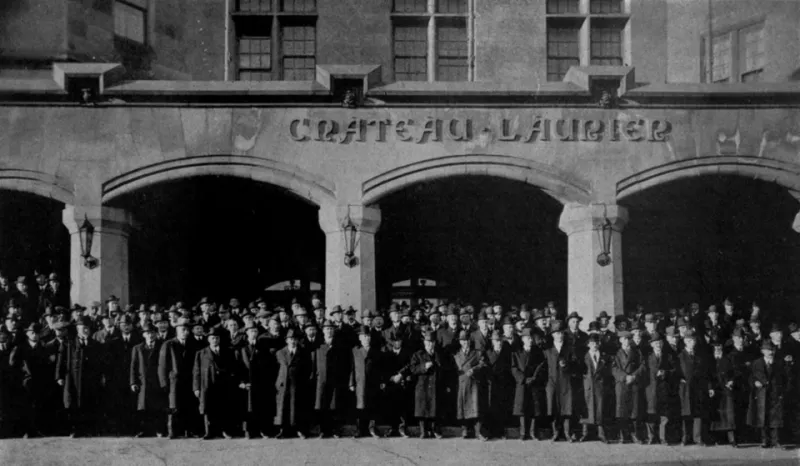
Photo: Construction: A Journal for the Architectural, Engineering and Contracting Interests of Canada, Public domain, via Wikimedia Commons
When the doors open at this year's Midlands Construction Summit, the conversation will inevitably turn to steel prices, planning reform and pipeline visibility. But the 2026 keynote programme has been deliberately built around a different theme entirely: the people who will actually deliver the region's growth.
With skills shortages remaining the single most cited concern among Midlands contractors in our pre-event survey, the speaker lineup reflects an industry wrestling with how to attract, train and retain the workforce of the next two decades. We caught up with three of the headline names ahead of their sessions.
The Contractor Who Came Up Through the Cage
Few speakers embody the sector's social mobility story quite like the opening keynote, delivered by the managing director of one of the West Midlands' largest privately held main contractors. Having begun her career as a trainee site administrator on a Birmingham retail scheme, she now oversees a workforce of more than 600.
Her session, Building Careers, Not Just Buildings, will argue that retention begins long before the first day on site.
"We spend a fortune recruiting people and almost nothing keeping them," she told us. "The firms winning the talent war in the Midlands right now are the ones treating their labour supply chain with the same rigour as their commercial one. That means proper progression maps, it means paying attention to why people leave, and it means site cultures people don't want to escape from."
Delegates can expect a candid session, including the uncomfortable retention data her firm publishes internally — figures she has agreed to share publicly for the first time.
Rethinking the Pipeline: A College Perspective
The second keynote shifts the lens from site to classroom. The principal of one of the region's largest further education colleges will present The Class of 2030, examining whether current T-Level and apprenticeship pathways can realistically meet demand across the Golden Triangle's expanding industrial and residential pipeline.
"The math doesn't work at the moment," the principal said. "For every ten experienced tradespeople retiring across the region, we're bringing in roughly six replacements. That gap compounds every year. The question for employers isn't whether to engage with colleges — it's how early and how seriously."
The session will include a panel with three employers who have embedded long-term apprenticeship commitments into their tender frameworks, including one SME from Nottinghamshire that has taken on more than 40 apprentices in four years.
Modern Methods, Modern Minds
Rounding out the programme, a director from a leading modular and offsite manufacturer will deliver Attracting the Factory-Built Generation, exploring how MMC is changing what a construction career looks like — and why that might be the sector's best recruitment asset.
"We're competing with advanced manufacturing and logistics for the same young people across the Midlands," she explained. "The good news is that a warm, dry, digitally enabled production facility is a far easier sell than a wet February morning on an open site. The sector's image problem is partly a product problem, and offsite is part of the answer."
Her session will feature a live demonstration of the digital design tools now used across her firm's production line, alongside a discussion of how traditional contractors can partner with MMC suppliers to broaden their talent offer.
What Delegates Should Do With It
Summit organisers have confirmed that all three keynotes will feed into a single afternoon workshop, From Words to Workforce Plans, where delegates will draft skills commitments they can take back to their own boards.
"Keynotes are easy to applaud and easy to forget," the programme director noted. "We want every firm leaving with something concrete — a retention initiative, a college partnership, a revised induction process. That's the measure of success."
For a region preparing to deliver some of the most ambitious building programmes in its history, the message from this year's podium is clear: the plans are only as good as the people drawn to deliver them.