Thirty Thousand Seats to Fill: A Straight Answer on the Midlands Skills Gap

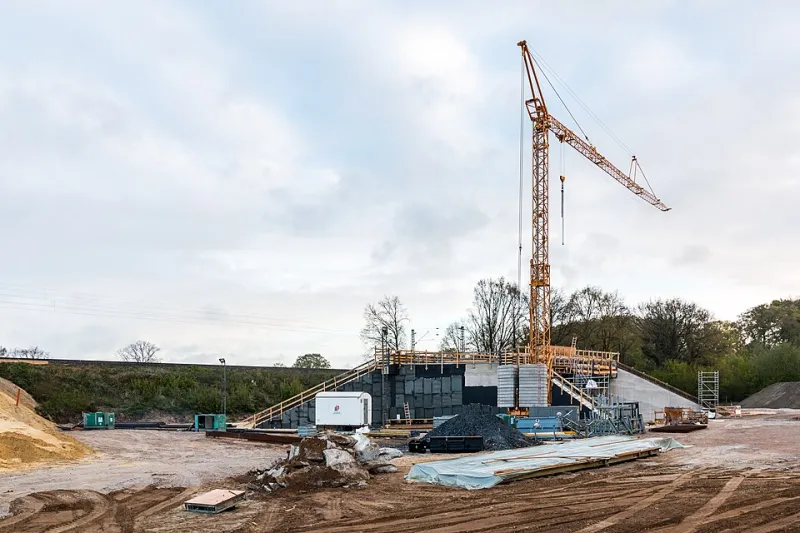
Photo: construction apprentice learning bricklaying on UK training site, via www.sbc-training.co.uk
Let us begin with the arithmetic, because the arithmetic is unforgiving. Industry estimates put the Midlands' requirement for additional construction workers at roughly 30,000 by 2030 — a figure driven by retirement outflows, housing and infrastructure pipelines, and competition from other sectors. Against that, regional college intake across the core trades has grown only marginally in recent years. The gap is not rhetorical. It is countable, and it is widening.
This publication has covered the workforce debate from the keynote stage before. What follows is not a restatement of the problem but an attempt at an honest verdict — and a checklist.
What the Colleges Can and Cannot Do
Speak to training providers across the region and a consistent picture emerges. Further education colleges in Birmingham, Nottingham, Leicester and the Black Country are willing and, in many cases, well equipped. What they lack is certainty. Short-course funding cycles, fluctuating employer engagement and the pull of agency work make it difficult to sustain multi-year apprenticeship cohorts.
One site manager we spoke to put it bluntly: colleges can train a bricklayer in eighteen months, but only a contractor can make a career of one. The pipeline problem is as much about retention as recruitment.
The CITB Question
The Construction Industry Training Board levy remains the sector's collective insurance policy, but its reputation among small and medium-sized contractors is mixed at best. Firms pay the levy, yet many report difficulty navigating grant claims or seeing proportionate returns in their local area.
The honest answer to the question in our headline is: not on current trajectories. The levy model is not broken, but it is under-utilised regionally. Devolved training pots — of the kind now being discussed under regional mayor structures — could place decisions closer to the employers who actually hire.
A Five-Point Checklist
We offer the following to contractors, colleges and policymakers alike:
- Commit to multi-year cohorts. Contractors should pledge apprenticeship places three years ahead, giving colleges the certainty to run full intakes.
- Simplify grant access. CITB and devolved bodies should co-locate support so a ten-person firm can claim without a consultant.
- Pay apprentices properly. Subsidised wages lose talent to warehouse and logistics roles paying more from day one.
- Count retention, not enrolment. Success metrics should track who is on site at year three, not who signed up in September.
- Open sites to schools. Every major Midlands scheme should host structured work experience; visibility is the cheapest recruitment tool available.
The Verdict
Can the Midlands fill 30,000 trade roles by 2030? Yes — but only if the sector treats training as infrastructure, funded and planned with the same discipline as a road or a rail link. The alternative is importing labour at premium cost while regional talent walks past our sites to better-paid work elsewhere.
The Summit's exhibition floor will host several of the region's leading training providers this year. We would encourage every delegate with hiring responsibility to leave the hall with at least one signed commitment. The numbers will not fix themselves.