First Steps on the Show Floor: Apprentices Share Their Summit Survival Notes

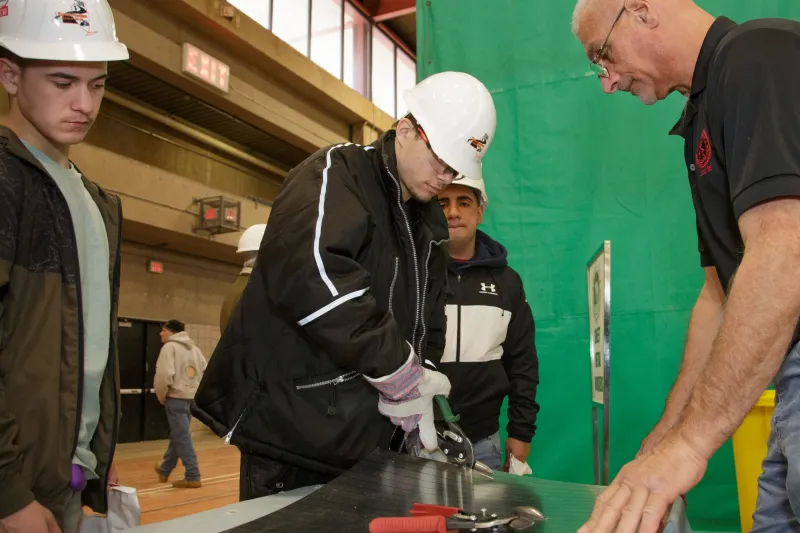
Photo: young apprentice construction worker wearing lanyard at trade show exhibition hall, via as1.ftcdn.net
The Midlands Construction Summit can feel like a lot. Two thousand delegates, dozens of exhibitor stands, a keynote programme running from breakfast to early evening — and somewhere in the middle of it all, a nineteen-year-old groundworker from Walsall clutching a lanyard that still smells of the cellophane it came in.
But talk to apprentices who have made that walk before, and a pattern emerges: the summit is far less intimidating on day two than it feels on the morning of day one. Their collective advice, gathered from conversations at recent events, is offered here for the next intake of first-timers.
Nobody Expects You to Know Everything
The single most common regret among first-time delegates is over-preparing for conversations they never had. "I'd rehearsed a sixty-second pitch about my company," one apprentice quantity surveyor from Leicester admitted. "Nobody wanted a pitch. They wanted to know what I was learning and where I wanted to end up."
Senior figures on the show floor, it turns out, are often more comfortable talking to apprentices than juniors realise. Many of the region's directors started on the tools themselves, and several keynote speakers have made a habit of seeking out younger attendees after their sessions. The barrier, almost always, is the apprentice's own hesitation — not the speaker's.
Pace the Floor Like a Site Walk
Experienced exhibitors will tell you the show floor has a rhythm. Mornings are busy with decision-makers; the post-lunch lull is when longer, more relaxed conversations happen. First-timers who sprint the aisles in the first two hours tend to burn out by mid-afternoon.
The advice from past apprentices is simple: treat the exhibition hall like a site walk. Do a full lap first without stopping, get your bearings, note three or four stands that genuinely interest you, and return to them. Quality of conversation beats quantity of business cards — a lesson several delegates learned the hard way after collecting ninety cards they never followed up.
The Questions That Actually Work
Approaching a stranger at a conference is a skill, and like any skill it improves with practice. Apprentices who returned for a second year consistently recommended the same openers:
- "What's brought you to the summit this year?" — universally effective, and it puts the other person at ease.
- "I'm an apprentice in [trade] — what would you want someone like me to know?" — flatters the expert and invites a genuine answer.
- "Could I ask you one question about your session?" — the polite way to approach a keynote speaker, ideally away from the immediate crowd after the talk.
What to avoid, according to those who learned by doing: asking for a job in the first sixty seconds, interrupting a conversation without acknowledging the group, and hovering near a stand waiting for an opening that never comes. A smile and a direct introduction works better than any script.
Practicalities That Nobody Mentions
There is a small canon of practical wisdom that seasoned delegates pass on informally, and it deserves writing down:
Wear the shoes you'd wear on a long site inspection. The NEC floor is unforgiving, and blisters by 11am are a rite of passage nobody needs.
Eat the breakfast. The bacon roll queues are famous, and skipping them to beat the crowd to the keynote is a false economy — the queue is itself where conversations happen.
Charge your phone. Half the business done at the summit now moves through LinkedIn and WhatsApp, and a dead battery at 2pm is a handbrake on the day.
Bring a notebook as well as a phone. Several apprentices noted that writing notes by hand made their follow-up emails sharper and more personal.
Use the badge. Your lanyard lists your name and organisation for a reason. Reading someone's badge is not cheating — it is how conversations start.
Why the Summit Courts Its Youngest Delegates
The summit's organisers have made no secret of the fact that apprentice passes are among the best-value tickets in the building, and for good reason. The Midlands skills gap — the subject of much debate in these pages — will not be closed by the people already in the boardroom. It will be closed by the trainees who, in ten years, are the ones giving the keynotes.
Several exhibitors now run their stands with an apprentice on the front line precisely because younger delegates engage more readily with someone at their own stage of the journey. It is a small cultural shift, but a telling one.
One Last Piece of Advice
Asked for a final tip, one second-year delegate from Nottingham offered this: "Don't measure the day by what you got out of it. Measure it by one good conversation. If you have one conversation with someone who tells you something you didn't know, the day's done its job."
It is modest advice, and perhaps that is the point. The summit will still be there next year, and the year after. The lanyard, in the end, is only the beginning.
Registration details for apprentice and first-time delegate passes will be published on this site in due course.