Six Thousand Pounds and a Folding Table: What One Leicestershire Firm Really Spent on a Summit Stand
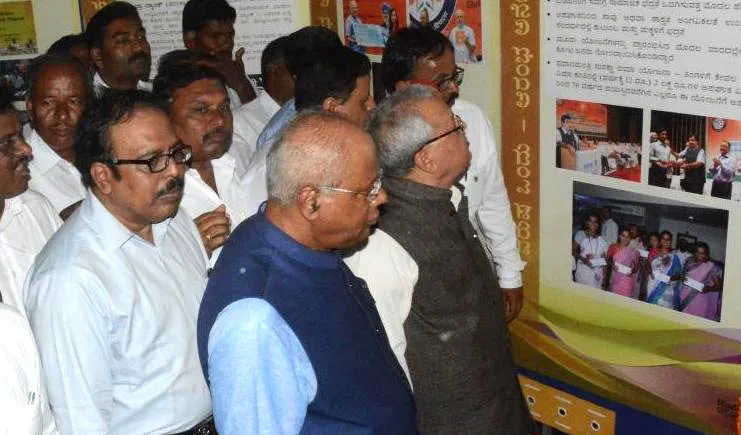
Photo: Ministry of Micro,Small & Medium Enterprises, Government of India, GODL-India, via Wikimedia Commons
When the Harrisons of Loughborough — three generations of a civil engineering family, not the bookseller — sat down in January to decide whether to exhibit at this year's Midlands Construction Summit, the conversation lasted precisely two pots of tea. The firm had never taken a stand at a trade event before. Its work comes, as it has for forty years, from word of mouth, a well-thumbed contacts book and the occasional round of golf with a local authority surveyor.
The decision to spend £6,000 — roughly what the firm pays its newest site engineer in a quarter — was not taken lightly. What followed was a line-by-line accounting exercise that this publication was given rare permission to review. The figures make uncomfortable, and occasionally encouraging, reading for any small contractor wondering whether the summit circuit is built for businesses like theirs.
Where the Money Actually Went
The headline cost was the stand itself. A 4x4 metre space in the main hall, with shell scheme build, electrics and a single spotlight bar, came to £2,450 once VAT was added. Two printed banners — one retractable, one fabric backdrop — cost £380 from a Leicester sign shop. A thousand leaflets summarising the firm's groundworks and drainage offer ran to £140, of which perhaps two hundred were taken by the close of play.
Then came the costs that never appear on the exhibitor brochure. Two directors and a contracts manager gave up billable days to staff the stand. At the firm's day rate, that foregone site time is worth close to £1,900, though the finance director wisely counted only the covering labour hired to keep the week's projects moving: £650. Hotel rooms in Birmingham, booked late, cost £310. Fuel, parking, a modest hospitality tab for two prospective clients invited for coffee at the stand, and a fistful of expenses brought the total to just under £6,100.
"It's not the stand that costs you," the firm's managing director told us afterwards. "It's everything hanging off the stand. And it's Tuesday on site that nobody's watching."
The Return, Measured Honestly
So what did £6,100 buy? Fifty-three conversations were logged on a clipboard over the two days — the firm is analogue by temperament. Of those, eleven were from people who could realistically commission something. Nine became site visits. Four turned into formal quotations. As of this writing, two have converted: a small estate drainage package for a housing association worth around £68,000, and a footpath reinstatement job for a Midland district council, still at tender stage.
Even on the most conservative arithmetic, the housing association contract alone repays the outlay four times over. But the firm's directors are careful, and rightly so. One contract is not a pipeline. The second and third enquiries may evaporate, as enquiries do. And the true test of the spend — the relationships seeded over coffee and badge small talk — will not show up in any ledger for a year or more.
Not a Marketing Exercise for the Big Brands Alone
The common criticism of regional summits is that they function as a shop window for the nationals: the big contractors, the plant hire giants, the software houses with their branded tote bags. There is some truth in it. The largest stands on the floor command the footfall, and a 4x4 metre shell scheme beside a double-decker exhibition unit can feel like a market stall outside a department store.
Yet the Harrisons' experience suggests the smaller exhibitor enjoys one structural advantage: credibility. Buyers of groundworks and civils packages — housing associations, main contractors' procurement teams, local authority framework managers — are chronically short of reliable regional subcontractors. A family firm that turns up in person, with a director on the stand rather than a marketing graduate, cuts through in a way a glossy display cannot.
The Verdict for Midlands SMEs
The honest conclusion from this ledger is conditional. Exhibiting pays for small firms that arrive with a plan: which clients to invite, who staffs the stand, and what a qualified enquiry looks like. It does not pay for firms that treat a stand as an expensive advert and hope.
The firm has already rebooked for next year — a 6x4 metre space this time, and banners ordered in November to catch the early-bird rate. The £6,000 gamble, on the current evidence, was a sound one. But as the managing director put it, over the second pot of tea: "We'll know for certain in eighteen months. Construction moves slowly, and so do its invoices."
For the region's smaller contractors weighing up the same decision, that patience — and that arithmetic — is the real takeaway.