Practise What We Preach: Time for the Summit to Audit Its Own Carbon Books
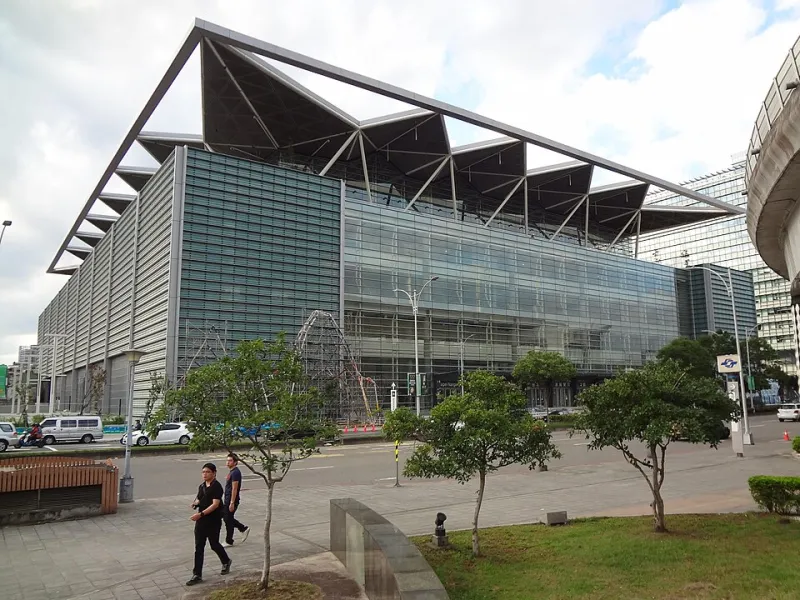
Photo: Solomon203, CC BY-SA 4.0, via Wikimedia Commons
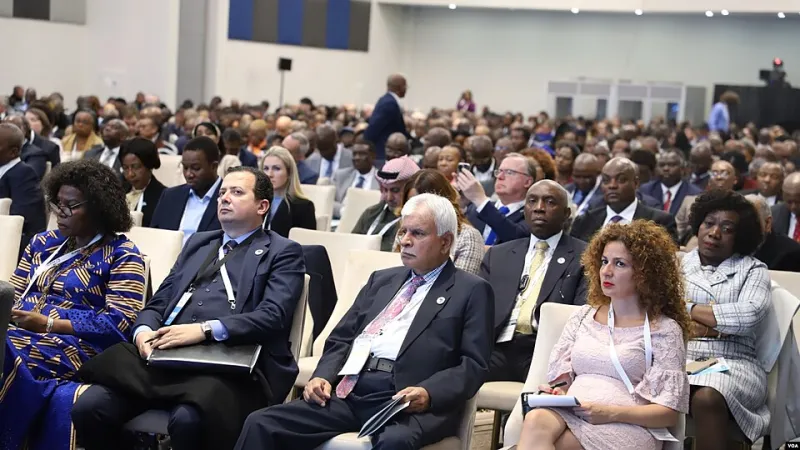
There is a particular irony on display every time the Midlands Construction Summit opens its doors. Delegates arrive having sat through hours of panel debate on embodied carbon, Passivhaus standards and the retrofit imperative — then pile back onto the M6, M42 and M1 to repeat the exercise next year.
It is not hypocrisy exactly. But it is an inconsistency that the industry can no longer afford to ignore, and one that a growing number of voices within our own sector believe should be addressed head-on.
The Uncomfortable Arithmetic of a Conference
Let us be honest about the scale. A regional construction summit drawing several thousand trade professionals is, in environmental terms, a modest construction project that never got counted. There is the travel: the overwhelming majority of delegates arrive by car, many alone, from sites and offices across Nottingham, Leicester, Stoke, Coventry and beyond. There is the build: exhibition stands constructed from MDF, PVC banners and single-use graphics, much of it destined for skip within hours of the closing keynote.
Then there is catering — the bacon rolls, the buffet lunches, the coffee cups — and the printed programmes, lanyards and goodie bags that accumulate in desk drawers for years before finding their way to landfill.
None of this appears in any summit's marketing material. And that, argue event sustainability consultants, is precisely the problem.
"The construction industry has got genuinely good at measuring carbon on projects," says one Midlands-based consultant who advises event organisers but asked not to be named ahead of this year's conference season. "What it has not done is turn that lens on its own gatherings. A summit that preaches net-zero while shipping in single-use stands is asking to be called out."
What a Genuinely Net-Zero Summit Would Look Like
The blueprint exists, even if few events have followed it properly. It starts with measurement — a scope 1, 2 and 3 emissions audit covering venue energy, delegate travel, materials and waste. It continues with reduction before offset: shifting stand construction to modular, reusable systems; moving printed materials to digital; negotiating venue renewable energy tariffs; and, crucially, making sustainable travel the easy option rather than the virtuous one.
That last point matters enormously in a region like ours. Birmingham's position at the heart of the rail network is a genuine asset — direct services from Derby, Wolverhampton, Leicester and London make train travel viable for a large share of the potential audience. But it requires organisers to plan for it: discounted rail-inclusive tickets, secure cycle parking, shuttle arrangements from stations, and honest communication about the carbon cost of the car park.
Some events are already moving. Several national construction exhibitions have introduced reusable lanyard schemes, digital-only programmes and partnerships with stand builders who take back and reuse structures. The question is whether the Midlands' flagship event will lead this shift or follow it.
The Commercial Reality
There is a commercial argument as well as a moral one. Main contractors with their own net-zero commitments increasingly scrutinise their supply chains — and that includes the events they attend and exhibit at. A summit that can publish a credible carbon audit becomes a more attractive proposition for the very exhibitors who spend the most on their stands.
Conversely, the reputational risk of doing nothing is growing. Trade press, social media and younger professionals entering the industry are noticeably less forgiving of environmental inconsistency than previous generations were.
A Practical Checklist Before Next Year
For organisers and exhibitors willing to act, the path is not complicated — it simply requires commitment:
- Commission a travel survey. Ask delegates how they arrived. You cannot manage what you have never measured.
- Incentivise rail and car-sharing. Discounted tickets for train arrivals; a car-share matching scheme on the event app.
- Mandate reusable stand systems. Or at minimum, require exhibitors to declare a reuse or recycling plan for their structures.
- Go digital-first on print. Programmes, maps and schedules belong on phones, not paper.
- Fix the catering. Local suppliers, seasonal menus, no single-use plastics, and food waste measured and diverted.
- Publish the audit. Whatever the numbers say, publish them. Transparency buys more goodwill than perfection.
A Standard We Would Apply to Any Client
If a main contractor submitted a net-zero plan for a client project that relied entirely on offsets and good intentions, it would not survive a tender review. The same rigour should apply to our own industry gatherings.
The Midlands Construction Summit exists because this region's built environment sector has serious ambition. Proving that ambition starts not on the podium, but in the car park, the exhibition hall and the catering tent. Next year's edition is an opportunity to lead by example — and to make the summit itself the best argument for the industry it represents.