The Thumb-Driven Deal: How Phones, Not Handshakes, Now Open Summit Week

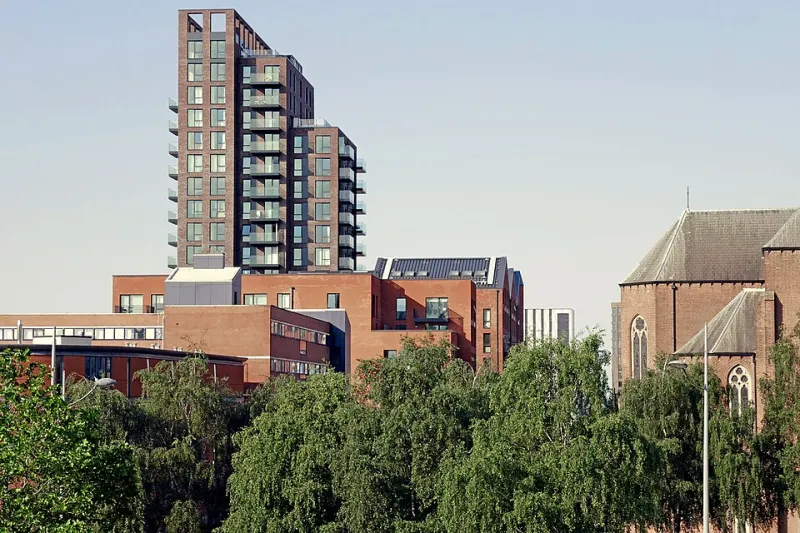
Photo: Tobias ToMar Maier, CC BY-SA 3.0, via Wikimedia Commons
Ask anyone who has attended the Midlands Construction Summit where their most valuable conversations happened, and you will hear a familiar answer: not at the keynote, not at the exhibitor stand, but at a pre-arranged coffee with someone they messaged three weeks earlier. The handshake still closes the deal. The phone opened it.
That reality sits awkwardly with the industry's self-image. Construction remains, in the popular imagination, a trade of hard hats and site visits — yet the run-up to summit week is now conducted almost entirely through thumbs. LinkedIn messages, WhatsApp groups and the official delegate app have become the true front door of the conference. For this feature, we spoke to past delegates about how they actually use these tools, and what separates the digital operators from the digital casualties.
The App Nobody Planned Around
When the delegate app first appeared, few attendees gave it much thought. It was a timetable, a floor plan, a list of names. Useful, hardly transformative. Then delegates began to notice the meeting-request function — and behaviour changed almost overnight.
"I booked eleven meetings before I'd even left my office in Wolverhampton," one Midlands subcontractor told us. "On the day itself, I barely visited two stands. Everything was pre-sold. The show floor became a place to confirm relationships, not to start them."
App analytics from past summits, shared with organisers, tell a similar story: the peak period for meeting requests is not the morning of the event but the Thursday and Friday beforehand, when diaries are finalised and the faintly competitive business of securing face-time reaches its crescendo.
WhatsApp: The Unofficial Summit
If the app is the official record, WhatsApp is the unofficial one. Regional contractor groups, supplier clusters and old-colleague networks all run their own summit threads, and their influence is considerable.
"There's a group of maybe forty of us who've known each other from various frameworks over the years," explained a commercial manager from Nottingham. "The app tells you who's attending. The group chat tells you who's actually worth meeting. Someone will post: 'Just had a good coffee with the team from X — they're tendering for retrofit work in the spring.' That single message does more for that supplier than any exhibition stand."
Organisers are pragmatic about it. You cannot moderate a private group, and you would not want to. But it does raise a question about who controls the narrative of the event: the programme, or the group chat?
LinkedIn's Long Shadow
Then there is LinkedIn, the platform everyone professes to dislike and everyone still opens on the train to Birmingham. For smaller firms without marketing departments, it functions as a pre-summit trade directory: scan the attendee list, check the profiles, send a short, specific message.
The delegates who succeed here share a habit: they reference something real. "The messages that get replies mention a project — a school in Solihull, a logistics hub off the M6," said one attendee. "The ones that don't get replies just say 'great to connect, see you at the summit.' That's noise."
The Downside of the Digital Diary
There is, inevitably, a cost. Several delegates admitted that a fully booked phone calendar leaves no room for the serendipity that makes conferences valuable. One director described his system bluntly: "I deliberately leave the afternoon of day one empty. Every deal I've done in this industry started as an unplanned conversation. If my phone fills that space, I've spent money to attend my own calendar."
There is also the question of access. Not every delegate is a confident LinkedIn user, and firms whose buyers are older or less digitally engaged can find themselves effectively locked out of the pre-summit meeting economy. Organisers have quietly responded by preserving low-tech routes: a physical message board at registration, and staff briefed to make introductions on the floor.
What It Means for Next Year
The lesson for delegates is straightforward: treat summit week as a fortnight-long exercise, not a day out. The meeting requests sent in the ten days beforehand will shape your return on investment far more than the quality of your stand or the sharpness of your brochure.
The lesson for exhibitors is harder. If deals are arranged on phones before the doors open, the show floor is no longer a hunting ground — it is a confirmation stage. Exhibitors who arrive expecting to generate leads from footfall are competing with a process that ended before registration.
The handshake hasn't gone anywhere. It has simply moved earlier in the week — and onto a screen.