Where Delegates Sleep: The Accommodation Maths Behind Summit Week in Birmingham
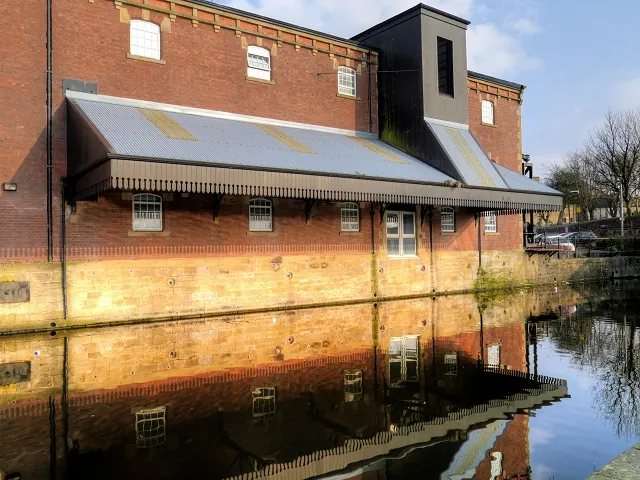
Photo: Roger D Kidd , CC BY-SA 2.0, via Wikimedia Commons
Ask any delegate what the Midlands Construction Summit costs and most will quote the ticket price. The seasoned attendees — the ones who have been coming since the early editions — will give you a different figure. They will include the hotel.
Accommodation is the quiet line item that shapes summit attendance more than almost any other. A delegate travelling from Nottingham for a single day might spend nothing on a bed. A contractor sending three senior staff for the full two days from the south of the region could face a hotel bill that rivals the cost of the exhibition stand itself. Understanding that arithmetic matters, both for the businesses attending and for the organisers deciding where the summit should live.
The Birmingham Premium
There is no avoiding the fact that Birmingham commands a premium. During major conference weeks — and the summit now shares the calendar with a growing roster of city-centre events — rates near the NEC, the Bullring and the convention quarter routinely climb well above their seasonal baseline. Delegates who left their booking late last year reported city-centre rooms at two and even three times the typical midweek rate.
The pattern is familiar to anyone who has exhibited at trade shows across the UK. Demand concentrates in a narrow window, supply is fixed, and pricing does the rest. For a regional summit drawing attendees from across the Midlands and beyond, that concentration effect is a genuine design problem, not just a nuisance.
The Regional Comparison
We looked at indicative midweek rates across four cities during a comparable conference period, drawing on published averages and the experiences of past delegates.
Birmingham offers unmatched convenience for a summit held in the city — a ten-minute walk from New Street, plenty of late trains, and the option of a day trip for anyone based in the wider West Midlands. But convenience is priced in. Expect the sharpest spikes and the earliest sell-outs of the four.
Nottingham sits roughly 50 minutes away by direct rail. Rates are typically gentler, and delegates who booked there last cycle described a comfortable margin — enough to cover the train fare several times over. The trade-off is a fixed schedule; miss the last direct service and a taxi becomes an unwelcome line on the expenses sheet.
Leicester and Derby both present further savings, particularly for delegates driving in from the eastern counties. Derby's position on the A38 corridor makes it a logical base for those heading to venues on the city's western edge, while Leicester suits anyone combining the summit with site visits down the M1. Both, however, turn a two-day summit into a two-car journey for most firms.
Where the Smart Money Stays
Speak to regulars and a few strategies recur.
First, book the moment dates are announced, not the week before. Several firms we spoke to now treat summit registration and hotel booking as a single procurement decision, made the same afternoon.
Second, look slightly out of the centre. Areas a short rail hop from Birmingham New Street — or hotels near stations such as Solihull or Coventry for those driving — often undercut the city core substantially while adding little travel time.
Third, share. Smaller subcontractors increasingly send two delegates to one twin room, halving the per-head accommodation cost and, as a side effect, guaranteeing the evening networking debrief happens somewhere useful.
The Question the Organisers Must Weigh
There is a broader point here for the summit itself. Venue location is not a neutral choice. A Birmingham base maximises rail access and profile, but it quietly taxes attendees from the region's northern and eastern edges — precisely the firms the summit most wants in the room.
No one is seriously suggesting the event leave the Second City; the transport links, the hotel stock and the symbolism all argue for it. But the accommodation economics deserve a place in the conversation alongside floor space and keynote line-ups. Negotiated delegate rates, published early, would be a small intervention with an outsized effect on who can afford to attend.
The summit's value lies in the breadth of the industry it gathers under one roof. If the cost of a bed determines who walks through the door, that breadth narrows — and the region is poorer for it.